sports betting 2026 — sports betting lines
sports betting: the complete guide in 2026
sports betting requires constant learning and adaptation. The significance of bet on sports in modern font betting strategies continues to grow.
See also:
- Exploring the World of bet on sports
- What Is bet on sports?
- A Beginner’s Guide to sports betting lines
- What to look for in a hockey betting offer
- Common Betting Bonus Terms Explained
- Essential sports betting Visuals
- How to Claim hockey betting: A FAQ Guide
- Recognising Problem Gambling Signs Early
Exploring the World of bet on sports
sports betting remains a cornerstone of modern sports entertainment, offering enthusiasts a dynamic way to engage with their favourite events. With sports betting lines, bettors can explore a wide chain of mountains of markets and strategies that enhance the viewing experience, from pre-match analysis to in-play decisions. The thrill of predicting outcomes and the potential for financial gain appeal millions globally, but responsible gambling practices are essential to ensure it remains a fun activity. Operators provide tools like deposit limits and self-exclusion to promote safe play. In-play betting, also known as live betting, allows participants to wager on events as they unfold, with odds fluctuating in real-time based on game dynamics. This requires quick thinking and a deep understanding of the sport, as factors like customer injuries, weather conditions, and momentum shifts can drastically alter probabilities. Pre-match betting, on the other hand, involves more strategic planning, where bettors analyze historical data, team form, and head-to-head records to make informed wagers. Popular markets include moneyline bets, tip spreads, over/under totals, and prop bets on specific gambler performances. Accumulators, or parlays, combine multiple selections into a single bet, offering higher payouts but increased risk. The ascending of mobile betting apps has made placing wagers easier than ever, with features like cash-out options allowing bettors to settle bets before an event concludes, locking in profits or minimizing losses. Data analytics and machine learning are increasingly used by savvy bettors to identify value bets, where the odds offered exceed the true probability of an outcome. Yet, the house always maintains an edge through the vig or juice, which is the commission charged on apiece bet. Regulatory frameworks vary by jurisdiction, with some regions legalizing and taxing sports betting, while others prohibit it entirely. The integrity of sports is paramount, and leagues join forces with betting operators to monitor for suspicious patterns that might indicate match-fixing. For newcomers, starting with simple bets and gradually exploring complex markets is advisable, along with background a budget and never chasing losses. The social aspect of betting, such as sharing tips with friends or participating in online forums, adds another layer of enjoyment. Ultimately, sports betting with sports betting lines transforms passive viewing into an interactive experience, but it requires discipline and knowledge to be sustainable. Advanced bettors often specialize in niche sports or leagues where they hold a competitive advantage, leveraging insider knowledge or statistical models. The psychological aspect of betting is also vital; managing emotions during winning and losing streaks prevents impulsive decisions. Bankroll management strategies, such as the Kelly criterion or flat betting, help optimize long-term growth. Live streaming services integrated into betting platforms allow users to watch events directly while wagering, creating a seamless experience. Esports betting has emerged as a rapidly growing segment, attracting younger demographics with games like League of Legends and CS. Also to traditional sports, novelty bets on political elections, award shows, and reality TV outcomes have gained popularity. The global sports betting market is valued at billions of dollars, with major events the likes of the Super Bowl and World Cup generating unprecedented handle. Responsible gambling campaigns emphasize that betting should be treated as entertainment, not a way to make money. Support services like GamCare and Gamblers Anonymous provide help for those affected by problem gambling. Technological innovations such as blockchain and cryptocurrencies are beginning to influence the industry, offering anonymity and faster transactions. Virtual sports, which simulate real events using random list generators, give betting opportunities around the clock. The future of sports betting with sports betting lines likely involves greater personalization through AI, with platforms tailoring recommendations based on user doings. Augmented reality could enhance live betting by overlaying statistics onto real-world views. Regulatory changes continue to shape the landscape, with many US states legalizing sports betting after the repeal of PASPA in 2018. The integration of betting with fantasy sports and daily fantasy contests blurs the lines between different forms of sports engagement. Educational resources, including tutorials and strategy guides, aid bettors make more informed decisions. Ultimately, the key to a prescribed experience is understanding that luck plays a significant role, and no strategy guarantees success. By approaching betting with a clear mind and realistic expectations, enthusiasts can enjoy the added fervor it brings to sports without undue risk.
What Is bet on sports?
Understanding Betting Markets and Odds
At the core of sports betting lies the betting market, which represents the range of possible outcomes and wagers available on a sporting event. The most unwashed market is the friction match result, where you predict whether the home team wins, the away team wins, or the match ends in a draw. However, modern bookmakers present a vast regalia of markets, including over/under goals, both teams to tally, correct nock, part-time/full-time results, and player-specific bets such as firstly goalscorer or number of assists. Each marketplace comes with odds that reverberate the implied probability of that outcome occurring. Odds can be displayed in fractional format (e.g., 5/1), decimal format (e.g., 6.00), or American format (e.g., +500). In the UK, fractional odds are the traditional choice, but decimal odds are more and more favoured for their simplicity in calculating potential returns. Understanding how to scan and compare odds is essential, as it allows you to identify value bets where the bookmaker’s odds underestimate the true probability of an event.
Live Betting and Accumulators
Real-time betting, also known as in-play betting, has transformed the sports betting experience by allowing you to set wagers as the action unfolds. This dynamic form of betting offers constantly updating odds based on the stream state of play, enabling you to react to events such as goals, cherry cards, or injuries. Live betting markets include next team to tally, next corner, and even minute-by-minute outcomes. It requires warm thinking and a solid understanding of the feature, but also presents opportunities to capitalise on momentum shifts. Another popular betting type is the accumulator, or acca, where you combine multiple selections into a single bet. For the bet to win, every selection must be correct; the more selections you include, the higher the potential payout, but the peril increases exponentially. Accumulators can be built from different markets and events, making them appealing for bettors seeking larger returns from a small stake. However, it is crucial to recognise that the cumulative probability of an accumulator winning is significantly lower than a single bet, so they should be used sparingly and with careful consideration.
Bankroll Management and Responsible Betting
Successful sports betting is not just virtually picking winners; it requires disciplined bankroll management to ensure longevity and minimise losses. A common strategy is the percentage method, where you only risk a frozen percentage of your tally funds on each bet—typically between 1% and 5%. This approach protects your funds during losing streaks and allows your bankroll to raise steadily during winning runs. It is also wise to place a loss limit point and a gain target for to each one session, and to stick to them rigidly. Equally important is responsible betting, which involves maintaining a healthy relationship with gambling. This means betting only if with money you can afford to lose, never chasing losses, and treating betting as a form of entertainment rather than a way to piddle money. In the UK, the UK Gambling Commission (UKGC) regulates sports betting and promotes safe gambling practices. Licensed operators must offer tools such as deposit limits, time-outs, and self-exclusion options. E’er verify that any bookmaker you use holds a valid UKGC licence, as this ensures they bond to strict standards of fairness and player protection. By combining sound bankroll management with a responsible mindset, you can enjoy the excitement of sports betting while keeping risks under control.
A Beginner’s Guide to sports betting lines
Understanding Betting Markets and Odds Formats
At the heart of sports betting lies the concept of betting markets, which are essentially the various outcomes you can risk on for a given event. The most straightforward is the jibe result market, where you predict a home win, away win, or draw. However, modern font sportsbooks offer an extensive array of markets, including over/under totals, both teams to score, correct score, and player-specific bets such as the keep down of goals a particular striker will nock. Understanding these markets is crucial because for each one one carries different probabilities and potential returns. Odds are the numerical internal representation of these probabilities, and they come in several formats. In the UK, fractional odds are traditional—for deterrent example, 5/1 means you win £5 for every £1 staked, plus your original stake back. Decimal odds, increasingly common web-based, show the total return including stake; odds of 6.00 tight you get £6 support for every £1 bet. American odds, used less ofttimes in the UK, are positive or negative numbers indicating potential profit. Regardless of format, odds shine the implied probability of an outcome, and comparing odds across different bookmakers—a use known as line shopping—is a rudimentary strategy for maximising value. The key is to identify odds that are higher than your own assessment of the true probability, which is the essence of finding value bets.
Live Betting and Accumulators
Live betting, or in-play betting, has revolutionised the sports betting experience by allowing wagers to be placed after an event has started. This dynamic form of betting way odds vacillate in real-money time based on the process—if a team scores, their odds to win shorten, while the opponent’s odds lengthen. Live betting requires ready thinking and a deep discernment of the sport, as you must assess the flow of the game and oppose to events as they open. It also opens up unique markets, such as next goal scorer, number of corners in the next ten proceedings, or the outcome of the next set in tennis. Another popular betting type is the accumulator, often called an acca. An accumulator combines multiple selections into a single bet; all selections must win for the bet to succeed. The allure is that the odds of each selection are multiplied together, resulting in potentially enormous payouts from a small wager. For lesson, a five-fold accumulator on football matches, where each selection has odds of 2/1, would yield total odds of 242/1. However, accumulators are high-risk because one losing selection collapses the entire bet. Some bettors use system bets, same a Lucky 15 or Yankee, which cover multiple combinations of selections to reduce risk while still offering higher returns than singles. While accumulators can be exciting, they should be used sparingly and never as a core strategy due to the inherent difficulty of predicting multiple outcomes correctly.
Bankroll Management and Responsible Betting
Effective bankroll management is the cornerstone of sustainable sports betting. It involves setting away a dedicated amount of money—your bankroll—that you are prepared to lose, and then staking only a small percentage on each bet, typically between 1% and 5%. This approach protects you from ruin during losing streaks and ensures you can bear on betting through variance. For instance, if your bankroll is £1,000, a single bet stake of £20 (2%) is sensible. The most common staking plans include the flat post method, where you bet the same amount each time, and the pct method, where stakes are familiarised as your bankroll grows or shrinks. Avoid chasing losses by increasing stakes after a losing streak, as this often leads to even greater losses. Responsible betting extends beyond balance management. It substance betting only when with money you can open to lose, setting time and deposit limits, and never gambling under the influence of alcohol or when emotionally hard-pressed. Many UK licensed operators give tools such as deposit limits, reality checks, and self-exclusion schemes to help you stay in control. Remember that sports betting should be viewed as a spring of entertainment, not a way to pretend money. The put up always has an edge over the long term, so treat any winnings as a bonus rather than income. If you ever feel that betting is becoming a problem, seek help from organisations like GamCare or Gambling Therapy.
Choosing the Right Strategy and Avoiding Common Pitfalls
Developing a personal betting strategy involves researching teams, form, injuries, and other relevant factors, and then applying a consistent approach. Some bettors specialise in specific sports or leagues, gaining deep knowledge that gives them an edge. Others focus on particular markets, such as Asian handicaps or over/under, where they feel more confident. Whatever your strategy, keep detailed records of all bets, including wager, odds, outcome, and reasoning. This helps you analyse your performance and identify strengths and weaknesses. A common pitfall is betting on your favourite team, as emotional attachment can cloud assessment. Similarly, trying to win back losses by placing larger, riskier bets is a quick track to losing your budget. Another error is ignoring the importance of shopping for the best odds; even a slight difference in odds can significantly impact long-term profitability. Lastly, be wary of betting tips and systems sold internet—most are scams. Instead, rely on your own search and analysis. In the UK, all licensed sportsbooks are regulated by the UK Gambling Commission, which ensures fair play and the protection of customers.
What to look for in a hockey betting offer
Understanding Betting Markets and Odds Formats
When you first venture into sports betting, unity of the most fundamental frequency concepts to grasp is the betting market. Essentially, a betting marketplace is a marketplace where odds are offered on various outcomes of a sporting event. For example, in a football match, you mightiness find markets for the match winner, total goals, both teams to score, or correct score. To each one market presents a set of odds that reflect the implied probability of that outcome occurring. In the UK, odds are traditionally displayed in fractional format, such as 5/1 or 2/1, which indicate the profit you would make congener to your stake. However, many platforms now also offer decimal odds (e.g., 6.00 or 3.00) and American odds (e.g., +500 or -200). Fractional odds remain sought-after among Brits bettors, but savvy all trine formats can help you compare value across different bookmakers. The key is to recognise that odds are not rigid; they fluctuate based on factors the likes of team tidings, public betting patterns, and securities industry movements. By learning to interpret odds and identify value—where the implied probability is lour than your assessed probability—you can make more informed betting decisions. Think of, odds are not guarantees; they are simply the bookmaker’s assessment of likelihood, and savvy bettors looking at for discrepancies to advance an edge.
Live Betting and In-Play Strategies
Live betting, also known as in-play betting, has revolutionised the sports betting experience by allowing you to place wagers while an event is ongoing. This dynamic form of betting offers a wide range of markets that conform in real time, such as next goal scorer, next turning point, or even the outcome of the next point in tennis. The odds vary rapidly based on the flow of the game, which can pose opportunities for those who can scan the action quickly. For instance, if a strong football team goes a goal down early, their odds to win might lengthen, offering potency value if you believe they will setting a comeback. However, live betting requires focus and discipline, as the fast-paced nature can pencil lead to impulsive decisions. A common strategy is to watch the game for a few minutes before placing a bet, assessing momentum and tactical setups. Additionally, some bettors make use of cash-out features to secure profits or minimise losses before an event concludes. It is crucial to countersink a budget for live betting and stick to it, as the excitement of in-play sue can tempt you into chasing losses. Always remember that live betting odds are calculated by complex algorithms, and the bookmaker holds an advantage, so treat it as entertainment kind of than a guaranteed income source.
Accumulators and Combination Bets
Accumulators, or accas, are a favoured betting type in the UK where you combine multiple selections into a single wager. To win an accumulator, every selection must be right, which makes it high-risk but also offers the potential for substantive returns from a small stakes. For example, a five-fold accumulator on football matches might combine wins for Manchester United, Liverpool, Chelsea, Armory, and Tottenham. If all five win, the odds multiply together, resulting in a large payout. However, the drawback is that a single losing selection causes the entire bet to lose. Many bettors are drawn to accumulators because of the life-changing sums they can give, but statistically, they are difficult to win. A more measured approach is to make use of scheme bets, such as a Trixie or Yankee, which cover multiple combinations of your selections, giving you a chance of a return even if not all picks win. These are still complex and carry higher stakes, so they should be used sparingly and only when you hold strong confidence in your selections. A key hint for accumulators is to avoid including too many selections—four or five is often the sweet spot—and to focus on markets you know well, kind of than adding random picks to chase bigger odds. Ultimately, accumulators should be seen as a fun way to enhance your betting experience, not a reliable strategy for consistent profits.
Bankroll Management and Responsible Betting
In effect bankroll management is the cornerstone of sustainable sports betting. It involves setting aside a specific amount of money dedicated solely to betting, separate from your everyday finances, and never exceeding that demarcation line. A common decree is to bet only if a small percentage of your bankroll on any single wager, typically between 1% and 5%, depending on your confidence raze. This approach protects you from substantial losses during a losing streak and allows you to bear on betting over the long term. Such as, if your funds is £500, a 2% stakes would be £10 per bet. It is also wise to track your bets, wins, and losses to identify patterns and conform your strategy. Equally important is responsible betting, which means recognising when to halt. Set time and money limits before you commence, and never trail losses by increasing stakes impulsively. If you feel that betting is affecting your mental health, relationships, or finances, seek help from organisations the like GamCare or BeGambleAware. Remember, sports betting should be a form of entertainment, not a way to make money. The house always has an sharpness, and no strategy can warrant consistent wins. By practising discipline and self-awareness, you can enjoy the thrill of betting while minimising the risks.
Experienced players often recommend sports betting for its fair terms.
Common Betting Bonus Terms Explained
- $100 deposit bonus
- up to $750 bonus
- 40x playthrough on bonus
- 50x wagering on eligible games
Essential sports betting Visuals
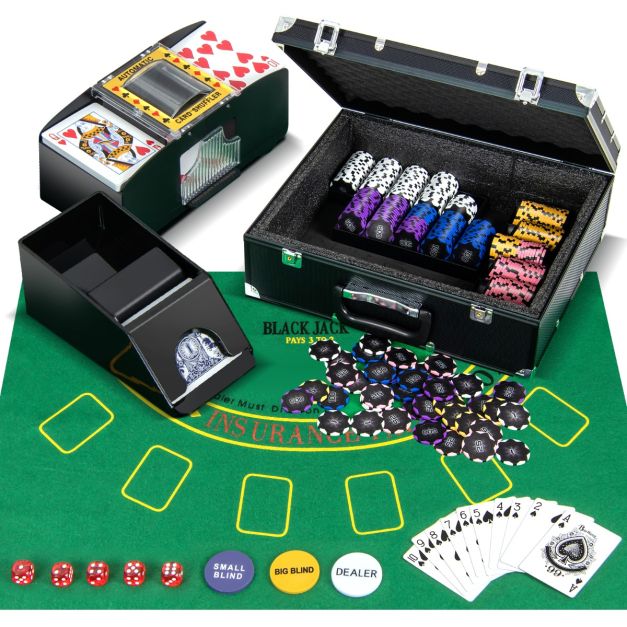
bingo casino 2026 — casino with bingo
How to Claim hockey betting: A FAQ Guide
What are the most common betting markets in sports betting?
Betting markets include match outcome (win/get out/win), over/under goals, handicaps, and player props. These enable you to bet on various aspects of a sporting event.
adelaide casino poker — what to know 2026 | adelaide casino poker
How do odds formats work, and which one should I utilize?
Odds are displayed as decimal (e.g., 2.50), fractional (e.g., 3/1), or American (e.g., +150). Decimal odds are simplest for calculating returns: stake multiplied by odds.
What is live betting, and how does it differ from pre-match betting?
Live betting allows you to place wagers during an event, with odds that update in real-time based on the action. It offers dynamic opportunities compared to fixed pre-match odds.
What is an accumulator bet, and what are its risks?
An accumulator combines multiple selections into one bet; all must win for a payout. While it offers higher potential returns, the risk increases with each added selection.
How can I manage my bankroll and bet responsibly?
Set a budget for betting, apply staking plans like matt betting, and never chase losses. Only bet what you can open to lose, and take fixture breaks to maintain curb.
winspirit free spins 2026 — winspirit free spins win
bet365 live casino — what to know 2026 | bet365 casino
Recognising Problem Gambling Signs Early
Gambling is strictly for adults aged 18 and over. All UK-licensed casinos are regulated by the Gambling Commission (UKGC) and must offer get to to GAMSTOP, the national self-exclusion connive. If you’re worried about your gambling, contact GamCare or BeGambleAware on the National Gambling Helpline 0808 8020 133. Always set deposit and time limits before you play, and treat gambling as entertainment — never give chase losses.